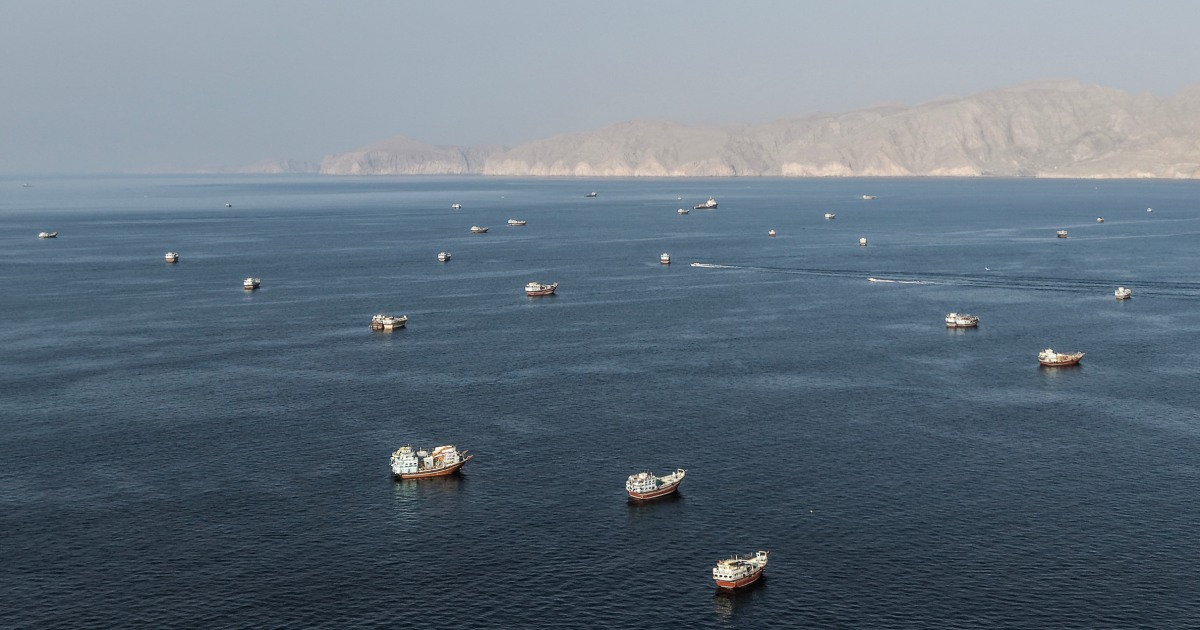
On the eve of pivotal U.S. midterm elections, military forces carried out limited strikes on Iranian targets on Qeshm Island in the Strait of Hormuz. According to defense officials, the action was taken in self-defense after Iran’s Islamic Revolutionary Guard Corps targeted U.S. manned and unmanned aircraft operating in the region with surface-to-air missiles. Iranian state media reported five explosions on the island following the engagement.
Officials emphasized that the targeted action against Iranian missile launchers does not mark a resumption of major combat operations. Instead, it represents an ongoing operational measure to protect American maritime shipping and military assets in a vital strategic waterway. U.S. forces continue to intercept incoming missiles and drones daily while maintaining a naval blockade designed to restrict Iranian crude oil exports. To reinforce the effort, thousands of additional personnel and a third aircraft carrier have been deployed toward the Middle East.
Heightened Security and Political Calculus
The strikes coincide with heightened political sensitivity in Washington. Previous statements from leadership indicated that major offensive actions against Iran would be held until after election day. The military commitment and its broader economic ramifications—including fluctuations in global energy markets—have emerged as central arguments during the congressional campaign season. While recent weeks saw oil prices dip amid diplomatic overtures, military spending associated with months of regional operations has kept foreign policy under intense public scrutiny.
Public discourse around the operations reflects widespread skepticism regarding the rationale and terminology used to describe foreign interventions. As one observer noted:
"oh please, fuck off with that ‘defensive’ bullshit wording"
Others questioned the logic of framing military actions in far-off waters as self-defense, with one person commenting:
"It's the defensive strike like how I had to go all the way across town to your front yard, to punch you in the nose while you were standing there; you know, that kind of defensive strike."
Diplomatic Channels Remain Active
Despite the military engagement on Qeshm Island, parallel diplomatic channels appear to remain active. Administration officials recently offered measured optimism that a negotiated settlement could still be reached to avert a wider conflict. A letter sent to Iran’s security chief aimed to open communication, with reports indicating focus on potential medical supplies and humanitarian considerations.
Iranian leadership has similarly signaled a willingness to engage in dialogue while maintaining a defensive posture. Iranian Foreign Minister Abbas Araghchi stated that while armed forces remain prepared to defend the nation, official policy continues to give diplomacy an opportunity to succeed. Whether back-channel negotiations can establish a lasting framework remains uncertain as both nations navigate security pressures in the region.

