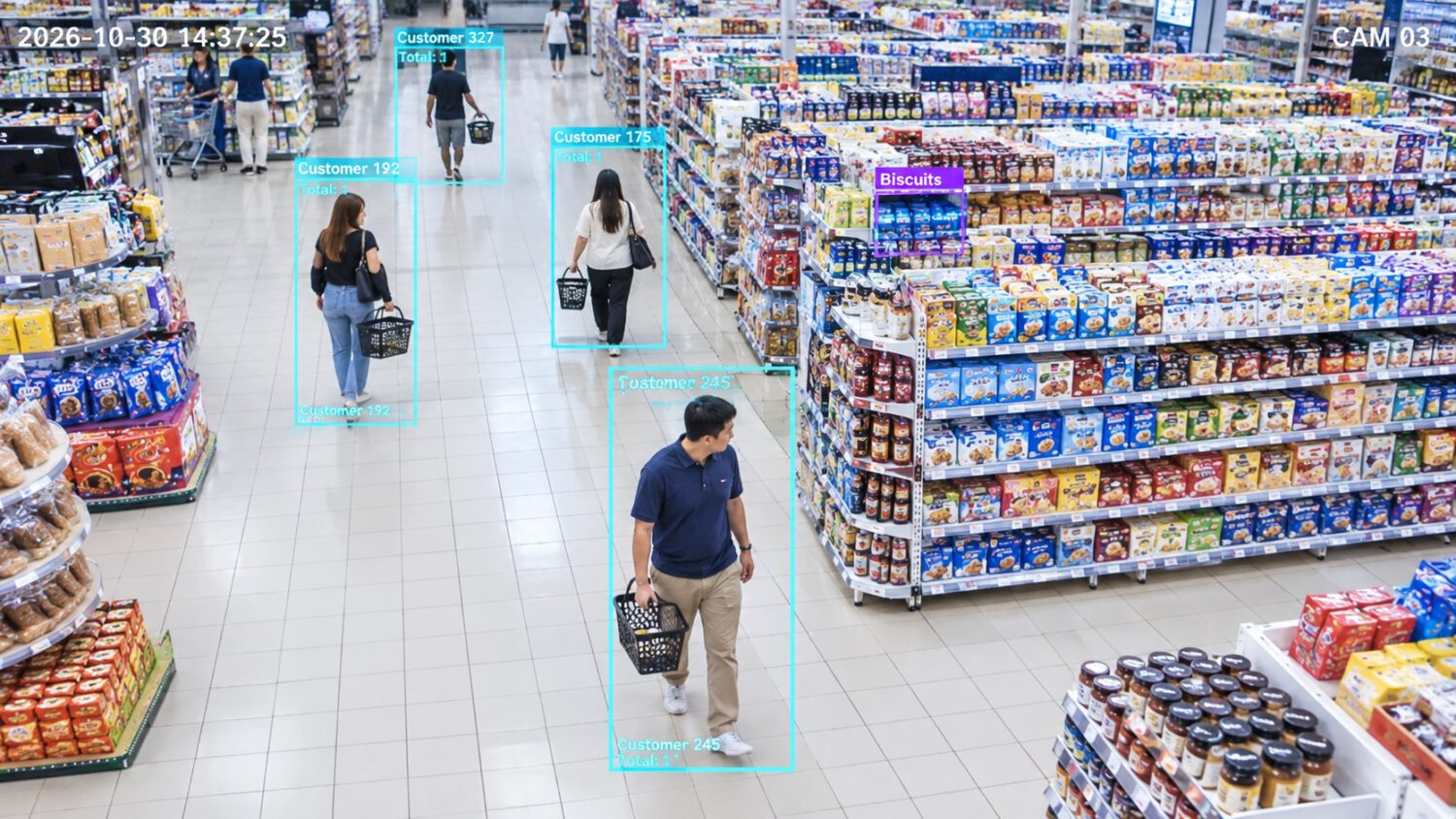
The integration of artificial intelligence and automated surveillance in retail environments has introduced a troubling phenomenon: innocent shoppers being mistakenly flagged, publicly accused, and barred from stores due to software errors. What begins as a routine trip to buy everyday goods can quickly devolve into an alarming ordeal when biometric identification systems misfire.
Systems like Facewatch operate by mapping a shopper's facial geometry and comparing it against a watchlist of individuals suspected of involvement in retail crime. Participating chains have included well-known brands such as Home Bargains, B&M, Budgens, Costcutter, and Sports Direct. When the software detects a possible match, it immediately alerts staff. However, a potential match generated by an algorithm is not proof of wrongdoing. In practice, these automated alerts are frequently treated by employees as definitive proof, leading directly to public confrontations, bag searches, store removals, and coordinated bans across multiple retail locations.
Civil-liberties organizations have documented numerous instances where the technology failed entirely. In one notable case, a teenager shopping for vitamins was flagged, subjected to a bag search, and barred from multiple stores before the provider acknowledged that both the software and a human “super-recogniser” had mistaken her for someone else. In another instance, a couple visiting a Budgens store was accused of stealing a large quantity of meat, despite not having visited the location in months. The psychological toll on those targeted can be severe, leaving individuals hesitant or anxious about simply walking through a public storefront.
The division of accountability between technology providers and retail companies leaves wrongly accused customers caught in a bureaucratic gray area. Providers often maintain that they are only responsible for the underlying technology, while individual stores dictate how staff interact with customers. When a false positive results in a cross-store ban, however, the real-world harm spans both sides of that boundary. Some major supermarkets have temporarily paused live alerts following high-profile incidents, only to resume them later, leaving consumers with few immediate avenues for recourse.
Navigating the aftermath of a false accusation is rarely straightforward. Data-protection regulations often provide a formal mechanism for individuals to request personal information held by an organization, but civil-liberties advocates point out that this process places an unfair administrative burden on the affected customer. To discover why they were flagged, individuals may be required to submit sensitive identifying details back to the very entity that wrongly accused them. Critics argue that until independent audits thoroughly test these algorithms across diverse lighting, demographic, and camera conditions, the public has no reliable way to measure how often these systems fail. Ultimately, industry observers emphasize that an algorithmic alert should serve merely as a prompt for cautious, respectful investigation rather than an immediate accusation.

