Why South Philly’s Latest BYOB Signal a Fascinating Shift in Dining Culture
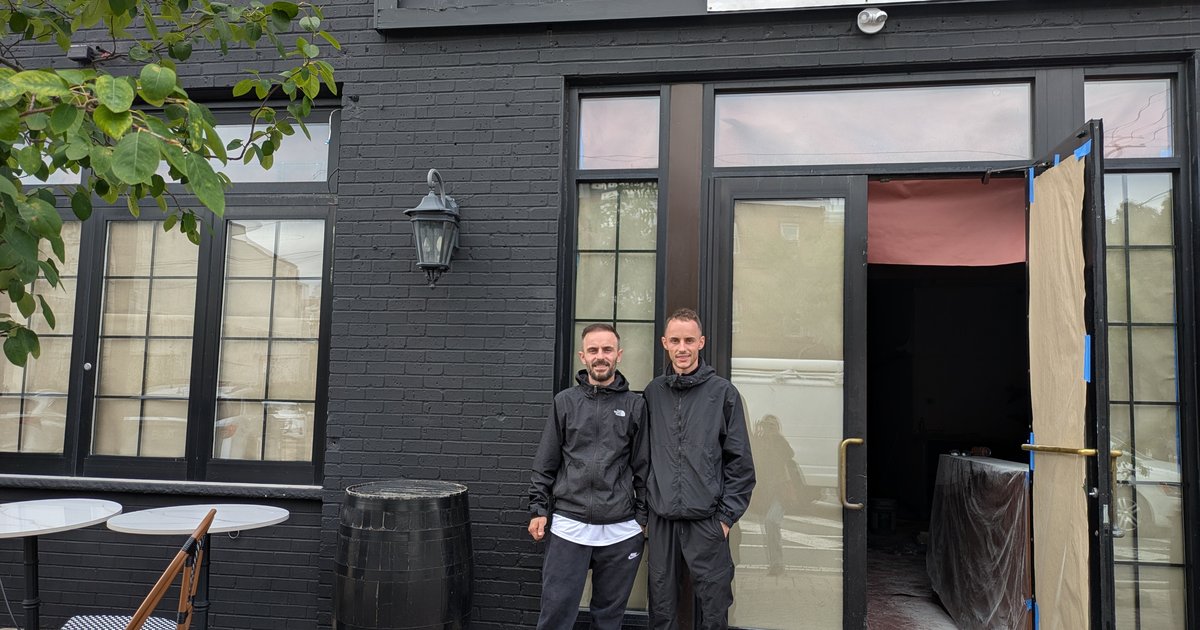
There is an undeniable magic to watching a city’s neighborhood real estate shift hands, especially when it comes to restaurant real estate. If you take a step back and think about it, a single storefront can tell the entire economic and cultural story of a neighborhood over a decade. When I heard that the Matranxhi brothers—the team behind Queen Village's hit BYOB Adoro—are taking over the former Two Robbers space on South 11th Street in Bella Vista to launch a new Amalfi-inspired spot called Ravello, one thing immediately stood out to me: Philadelphia’s classic BYOB culture isn't just surviving; it’s aggressively evolving.
Personally, I think this move is a masterclass in how independent restaurateurs can outmaneuver corporate food concepts. The space at 738 S. 11th Street has seen quite a transformation—from the beloved brunch staple Hawthornes to the sleek, corporate-backed tasting room of canned seltzer brand Two Robbers, and now back into the hands of hands-on Italian culinary craftsmen. In my opinion, this transition highlights a broader trend: diners are growing tired of overly marketed, branded "lifestyle" venues and are craving soulful, chef-driven spaces with authentic roots.
The Allure of the BYOB Model in Modern Dining
What makes this expansion particularly fascinating is the choice to stick to a BYOB concept at a much larger scale. Ravello is slated to seat 80 to 100 guests, which is substantially bigger than Adoro. From my perspective, running a high-end, seafood-focused Italian BYOB at that capacity is a bold, high-stakes gamble—but it’s precisely why it will likely succeed.
What many people don't realize is that the BYOB model is Philadelphia’s greatest culinary superpower. It removes the massive overhead and bureaucratic nightmare of liquor license acquisitions, allowing operators to pour every single ounce of their budget and energy into ingredient quality and hospitality. From a consumer standpoint, it shifts the value proposition back to the plate. When you aren't paying a 400% markup on a bottle of Pinot Grigio, you feel much better about spending top dollar on fresh coastal seafood.
Amalfi Dreams and Local Roots
A detail that I find especially interesting is how Florin and Marco Matranxhi are shaping Ravello's identity. Instead of duplicating Adoro’s menu, they’ve tapped Executive Chef Marco Passante—a native of Ravello itself—to build an entirely new menu focused on southern Italian coastal traditions.
What this really suggests is a growing sophistication in how American diners approach Italian cuisine. We’ve moved far beyond generic "red sauce" joints. Today's diners crave hyper-regional specificity. Bringing in a chef who actually grew up on the Amalfi Coast isn't just a marketing line; it instills an intuitive understanding of flavor profiles that you simply cannot replicate in a culinary school. Florin’s own background—born in Albania, honing his craft in Naples before coming through Philly’s classic Italian kitchens like La Viola—adds another layer of grit and authenticity to the operation. It’s the quintessential immigrant success story that has fueled the American restaurant industry for generations.
The Power of Persistence in Neighborhood Hospitality
This raises a deeper question about what makes a neighborhood restaurant truly endure. Marco Matranxhi noted that five years ago, while walking past the building back when it was still Hawthornes, he and his brother dreamed of one day owning that exact location. Fast forward to today, and that vision is becoming a reality.
If you ask me, that kind of personal connection to a specific physical corner matters more than any market research report. Corporate restaurant groups look at foot traffic numbers and demographic zip codes; local independent chefs look at streets they’ve walked for years and imagine how their food fits into the daily life of the neighborhood. That intuitive, emotional investment translates directly into the dining room experience.
Ultimately, Ravello’s upcoming launch feels like a triumphant return to form for South Philly dining. It proves that despite economic pressures, rising costs, and changing trends, hard work paired with genuine passion still creates opportunities for independent operators to build something remarkable. I, for one, cannot wait to bring a great bottle of white wine, grab a table, and see how a little piece of the Amalfi Coast translates to the streets of Bella Vista.