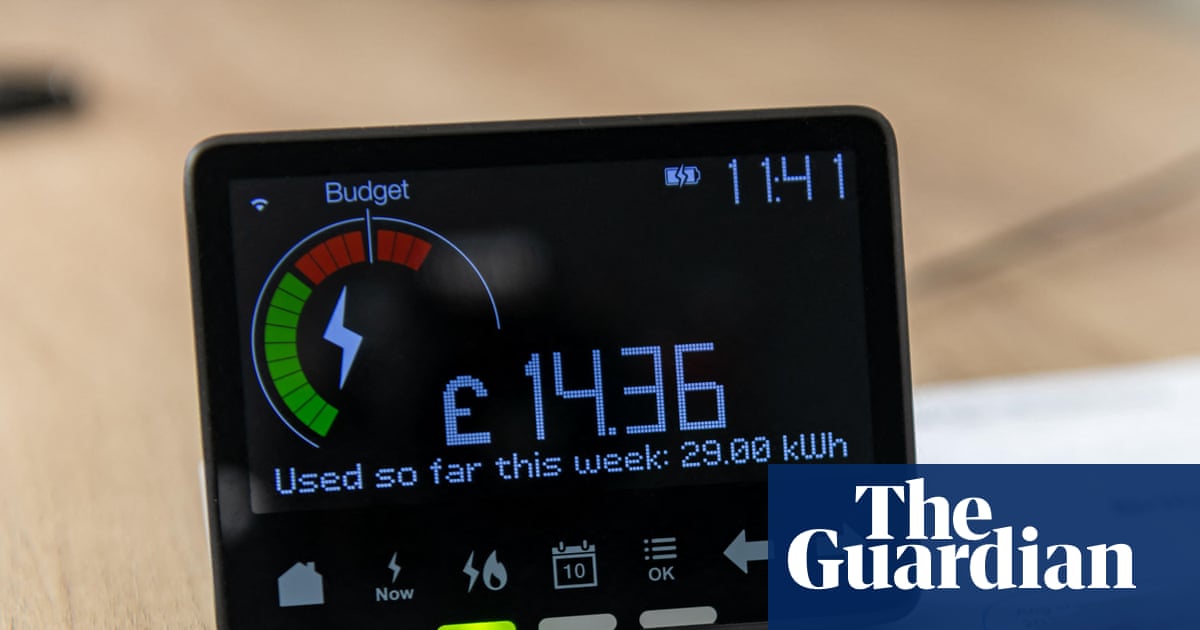
Control over Great Britain’s 39 million smart meters has officially transitioned to a non-profit startup, marking the end of a troubled chapter for the country’s energy infrastructure. The handover concludes a 13-year licence previously held by Smart DCC, a subsidiary of the crisis-hit outsourcing firm Capita, which faced years of criticism over delays and billing complications for households.
A Troubled Rollout and Shifting Frameworks
The initial rollout began with government ambitions to modernise the nation's energy grid, integrate renewable sources, and introduce innovative tariffs. However, the project encountered severe obstacles. According to government spending watchdogs, three in 10 households still lack a smart meter, and completing the nationwide installation could require an additional £1.7 billion. Consumer advocates previously noted that a significant portion of the network struggled with reliability issues.
The transition follows a tender process held last summer, coinciding with an industry regulator investigation into procurement contracts awarded without competitive bidding. While the former operator defended its record—highlighting high network availability and connectivity across millions of homes—Whitehall officials opted to move away from the original commercial framework. The data network is now a wholly owned subsidiary of the Smart Energy Code Company, operating under an independent board focused on transparency and consumer needs.
Public and Industry Reactions
The shift has drawn mixed reactions from observers and consumers alike, with many reflecting on long-standing frustrations regarding outsourced public infrastructure projects.
Why is anything that has anything to do with Capita so terribly shit?
Why do they keep getting contracts?
I had no idea that my smart meter was controlled by a company that wasn’t my energy supplier. wtf.
Others pointed out structural issues in how large-scale government contracts have historically been awarded and managed, noting that past performance metrics were not always heavily weighed in procurement decisions.
Old procurement regulations forbade past performance to be taken into account. In other words; it didn’t matter how shit you were last time because it didn’t affect your chances to get a new contract.
The rules have changed now and your performance in the past is allowed to be evaluated when awarding new contracts.
Despite past frustrations, industry participants have expressed cautious optimism that a leaner model centered around industry representation could streamline future updates and reduce friction for energy suppliers attempting to implement network changes.
Dealt with DCC and it was shite, I'm tentatively positive at the news. I could see it being in 4/5 times people going 'remember when smart meters used to be shit?' like how people now look at the Passport Office.
Looking Ahead
The newly structured public-interest model faces the immediate challenge of restoring consumer confidence and addressing lingering connectivity hurdles, particularly for hard-to-reach properties and older generation devices. Regulators have emphasised that the incoming operator must build upon the foundational digital communication architecture while delivering greater efficiency and reliability for millions of consumers.

